
The dairy industry is a key part of the world’s food supply. It depends on keeping a balance between quality and efficiency. A key part of this balance is cooling. It is an important step that affects the safety, shelf life, and success of dairy products. This includes fresh milk, artisanal cheeses, and creamy yogurts.
As the industry expands to meet rising global demand, it must maintain high product standards. At the same time, it needs to reduce its impact on the environment and improve energy efficiency. This has sparked innovation in cooling technologies, changing the way dairy products are processed and preserved.
The imperative of rapid and precise milk cooling
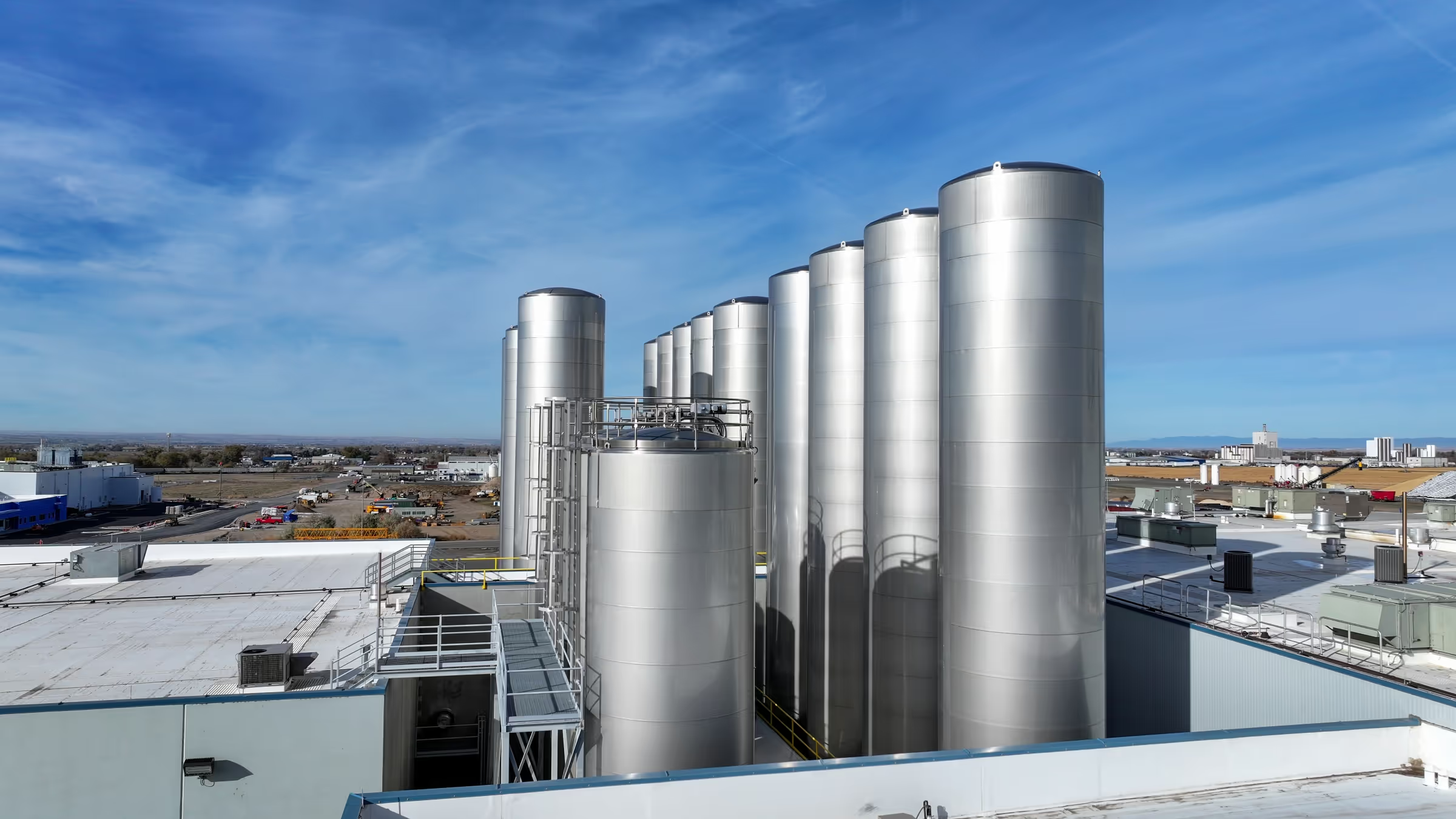
High-quality dairy production starts with the quick and efficient cooling of raw milk right after milking. Quickly cooling the milk is important to stop bacteria, including harmful ones, from growing. It also helps keep the milk fresh and nutritious. Keeping the milk at about 4°C (39°F) effectively extends its shelf life and protects its essential nutrients.
Regulatory agencies globally mandate strict deadlines for the important cooling process. Milk should be cooled to 10°C (50°F) within the first hour and to 4°C (40°F) within the next hour. This helps keep bacteria levels low and meets Grade A standards. Innovations in this field are vital for adhering to these rigorous standards and ensuring consumer safety.
Cooling without compromise
Conventional milk cooling techniques, which depend largely on standard refrigeration, typically use a lot of energy on dairy farms. Acknowledging this issue, new innovations aim to significantly reduce electricity usage while still ensuring ideal cooling conditions. This push for energy efficiency is evident in several important areas.
Advanced components
Many modern systems now use energy-efficient compressors, such as scroll compressors. They offer the cooling power needed while using less energy. Additionally, thermal storage units are being added. These units save cooling power when energy costs are low. This stored energy can be used when demand is high.
Also, using variable-speed drives (VSDs) on motors lets cooling systems adjust their output to match what is really needed. This helps prevent the energy waste that happens when machines run at full power all the time. Research shows that using VSDs on machines like vacuum pumps can save a lot of energy, sometimes more than 50%.
Smart monitoring and automation
Integrating IoT-based monitoring systems into automated milk cooling tanks marks a major advancement. These smart systems offer real-time monitoring of temperature and milk quality, ensuring ideal storage conditions and reducing spoilage. Remote access features, typically available through mobile apps, enable dairy farmers to easily oversee and control their cooling efficiency.
One key benefit of these smart systems is that they can spot problems early. This helps make quick repairs and stops any issues with milk storage. Automation also ensures consistent high-level cooling performance, lessening the need for manual tweaks and boosting overall operational efficiency.
Embracing green technologies
In response to rising environmental concerns and regulatory requirements, the dairy industry is progressively embracing eco-friendly refrigeration solutions.
Natural refrigerants
Many companies are shifting to natural refrigerants with a low Global Warming Potential (GWP). These include options like ammonia and CO₂. Refrigeration systems that utilize CO₂ provide high energy efficiency, lower operating expenses, and a small environmental footprint.
Ammonia-based refrigeration is appreciated for its excellent cooling efficiency and zero Global Warming Potential (GWP). This change shows a strong commitment from the industry to reduce environmental harm and comply with rules that limit the use of harmful synthetic refrigerants.
Heat recovery systems
Energy recovery systems are crucial in boosting sustainability. Refrigeration heat recovery (RHR) units collect waste heat from the condenser to preheat water. This process greatly cuts down on the energy required for water heating, a key need for cleaning in dairy plants.
By adopting these systems, there is a thorough approach to energy management. They reuse waste heat to meet other energy needs, resulting in significant energy savings overall.
Alternative cooling methods
In areas with limited reliable electricity, sustainable and alternative milk cooling solutions are becoming more popular. Regions in Africa, Asia, and Latin America are implementing solar-powered cooling systems. These systems collect solar energy during the day and store it in power cooling units. This keeps the milk preserved steadily, even at night.
Additionally, well water precoolers use the cool temperature of well water to lower the milk's temperature before it enters the bulk tank. This can lead to significant savings on cooling costs. In-line cooling systems that use plate heat exchangers also help ensure quicker cooling and lower energy use.
Cooling innovations across dairy products
In addition to raw milk, maintaining precise temperature control is essential in making different dairy products.
Cheese
In cheese production, temperature greatly influences curd formation, flavor development, and texture. Advanced brining and cooling systems allow precise control of these factors, resulting in better yields and consistent product quality. Their automated curd cooler ensures both gentle and effective cooling. Innovations such as water-ammonia absorption chillers are being investigated for eco-friendly cooling in mozzarella production.
Yogurt
Yogurt production greatly depends on maintaining the right temperature during fermentation, as bacteria convert lactose into lactic acid. After fermentation, cooling is crucial to stop bacterial activity and to obtain the right texture and flavor. It's common to cool yogurt quickly to below 10°C. Sometimes, a two-step cooling process is used to reach certain qualities.
Sustainable yogurt production is being investigated using solar-powered fermentation units equipped with phase change materials (PCM). These units maintain temperature stability without needing external energy.
Ice cream
Ice cream production greatly benefits from cryogenic freezing, which uses liquid nitrogen or carbon dioxide for quick freezing. This method creates a smoother and creamier texture by preventing large ice crystals from forming. Additionally, low-temperature extrusion (LTE) at lower temperatures further improves the ice cream's microstructure and enhances its sensory qualities.
Improved freezing and storage methods, like vacuum systems, help keep products fresh and reduce energy use. Multi-stage compression and evaporator systems are employed for storage at extremely low temperatures.
Optimizing cooling performance across the board
The use of automation and smart controls is transforming cooling performance in every area of dairy processing. Smart sensors allow for real-time tracking of temperature and other vital parameters. Data analysis tools process this information to optimize production schedules, boost efficiency, and foresee possible system failures.
Automated controls can modify energy settings using real-time data to ensure efficient energy usage. Remote monitoring lets operators oversee cooling performance and get alerts about potential issues. This transition from reactive maintenance to proactive management enhances efficiency, reduces downtime, and boosts overall performance.
Cooling for profitability and sustainability
Investing in innovative cooling systems delivers a substantial return on investment for dairy processors and farmers. Energy-efficient technologies help cut operational costs. Enhanced milk quality, achieved through quick and accurate cooling, can result in improved milk prices and decreased spoilage. Additionally, heat recovery systems offer free hot water, further reducing energy expenses.
Additionally, reducing heat stress in dairy cows by implementing effective cooling strategies leads to higher milk production and better animal health, boosting overall profitability. Sustainable cooling methods also improve a dairy's brand image and attract environmentally conscious consumers.
The future of cooling
The future of dairy cooling will surely focus on energy efficiency and sustainability. We can anticipate more progress in natural refrigerant technologies and their broader use. Artificial intelligence (AI) and machine learning are set to increase in use. This growth will lead to better cooling processes and improved ways to maintain equipment.
We might witness the creation of more compact and modular cooling solutions, which offer increased flexibility. New cooling methods, such as conductive cooling for animals and coatings that don't need electricity, could change how milk is cooled in its early stages. Reducing water usage in these cooling processes will also become a growing priority.
Conclusion
The dairy industry is experiencing a major shift in its cooling methods. New ideas such as energy-saving parts, smart monitoring systems, eco-friendly refrigerants, and advanced cooling methods designed for specific products are helping us move toward a future that is more efficient, sustainable, and of better quality.
Using advanced cooling technologies is not just about better operations; it is an important strategy for dairy processors and farmers who want to do well in today's competitive and eco-friendly market. Investing in these cooling improvements will help the dairy industry become more efficient, cooler, and sustainable for everyone.
.avif)